Natural-Tissue Reconstruction
by an Expert
Board-certified by the ABPS
Fellowship-trained in microvascular surgery and breast reconstruction
Director of breast reconstruction at Lenox Hill Hospital's Institute for Comprehensive Breast Care
Past President of the New York Regional Society of Plastic Surgeons
DIEP flap reconstruction depends on microvascular technique, the reconnection of blood vessels only millimeters wide. Dr. Lerman completed an additional clinical fellowship in advanced microvascular surgery and breast reconstruction, training well beyond the scope of general plastic surgery.
As director of breast reconstruction at Lenox Hill Hospital's Institute for Comprehensive Breast Care, Dr. Lerman works within a program that coordinates surgical oncology, reconstruction, and recovery under one institution rather than across separate offices.
Dr. Lerman directs the Microvascular and Cosmetic Breast Fellowship, the year of post-residency training where surgeons learn DIEP flap reconstruction. Teaching it at that level means performing the procedure regularly and detailing every decision involved.
Deep inferior epigastric perforator (DIEP) flap is a method of breast reconstruction after mastectomy that involves transferring the excess skin and fat from the lower abdomen to the chest to create a new breast mound.
The DIEP procedure uses microsurgical techniques, transferring tissue and blood vessels from your abdomen to your breasts. The existing blood vessels are cut and reattached to new blood vessels in your chest, keeping the new breast tissue alive and healthy throughout your life. The transplanted tissue is living, natural tissue that looks, feels, moves, and ages like your original breasts, which allows for the most natural-appearing results after mastectomy.
The DIEP flap uses your body’s tissue, so it will age with you. Over time, there will never be any risk of rejection. Your new breasts will also look, move, and feel like your natural breasts.
Most patients with autologous reconstruction look better with time as the breast mound softens and behaves like natural tissue.
Whether you have had a unilateral or bilateral mastectomy due to breast cancer, as a preventative measure, or because of an injury, your plastic surgeon can ensure your breasts are symmetrical through DIEP flap reconstruction, as they control the amount of tissue being placed.
The DIEP procedure is done by taking tissue from the abdomen, which gives the patient the added aesthetic benefit of a flat abdominal contour, similar to that seen after a cosmetic tummy tuck.
With all the stress surviving breast cancer brings, choosing a plastic surgeon should not be one of them. Dr. Lerman can safely provide you with superior results that will leave you with natural-looking and natural-feeling breasts.
Our plastic surgeon in Manhattan, NY, is the past president of the New York Regional Society of Plastic Surgeons and director of breast reconstruction at Lenox Hill Hospital's Institute for Comprehensive Breast Care. He is also the director of the microvascular and cosmetic breast fellowship, where he oversees the training of the next generation of DIEP flap breast reconstruction and cosmetic surgeons.
One of the most common misconceptions about DIEP reconstruction is that you must be overweight for DIEP flap. This is not always the case. You just need enough extra tissue to create a breast. Dr. Lerman often performs this type of reconstruction for women who have previously been told by other surgeons they are not good candidates.
If you have been diagnosed with breast cancer and need a mastectomy, reach out to our Manhattan, NY, office to request a consultation to see if DIEP flap is the right choice for your breast reconstruction surgery.
The first step is to consult with Dr. Lerman to ensure DIEP flap is the right reconstruction procedure to meet your needs and expectations.
Depending on if one or both breasts are being reconstructed, the DIEP procedure typically takes between six and eight hours.
It takes about 6-8 weeks to recover from DIEP reconstruction to where you can resume your regular activities and about one year for you to completely heal and the scars to fade. Dr. Lerman will give you specific instructions on how to care for your incisions after your reconstructive procedure and may recommend wearing a compression girdle up to eight weeks after surgery. Painkillers and anti-inflammatories may be prescribed to you once you are discharged from the hospital. It is important to only take these as directed by Dr. Lerman.
DIEP is one of the most advanced autologous flap reconstructions. By removing excess skin and fat from the abdomen, rather than muscle, allows for a quicker recovery and fewer risks than other autologous reconstructions. However, if there is not enough excess skin and fat in the abdomen and you still want to use your own, natural tissue, your doctor will recommend one of the alternatives.
TRAM flap reconstruction is one of the oldest and most common forms of autologous tissue breast reconstruction techniques. Like DIEP, TRAM flap reconstruction also takes tissue from the abdominal area; however, it removes part of the rectus muscle from the abdominal wall and transfers it to the breast. Since part of your muscle is removed, recovery is longer, more painful, and has more associated risks than the newer, more surgically advanced DIEP procedure.
Superior gluteal artery perforator (SGAP) flap reconstruction uses the tissue from your upper buttock to reconstruct your breast after a mastectomy. Unlike DIEP, the incisions of SGAP flap reconstruction are placed beneath the underwear line concealing them from view. However, similar to DIEP, SGAP can have an additional cosmetic benefit, making the skin around your buttocks tighter and more youthful in appearance.
For women who do not have sufficient fat around their abdomen, transverse upper gracilis (TUG) and profunda artery perforator (PAP) flap surgeries harvest the tissue from one or both inner thighs. PAP only harvests fatty tissue, and TUG harvests both fatty and muscle tissues. These procedures also have an added cosmetic benefit of providing a thigh lift giving patients slimmer, tighter legs.
The most common type of breast reconstruction after mastectomy in the United States is reconstruction using breast implants. Although this option works well for most women, it often needs to be revised over time.
Even when a result is good at the time of the mastectomy, many patients eventually develop complications in the years following or are dissatisfied with the result of the breast implants as their body changes and gravity and age take effect.
One of the best ways to fix problems or dissatisfaction with breast implants is to remove them completely and perform a DIEP flap reconstruction.
"The one thing that is most important when we're doing cosmetic surgery and aesthetic surgery of the face or the body is to make sure that the patient is happy afterwards..."Dr. Oren Lerman
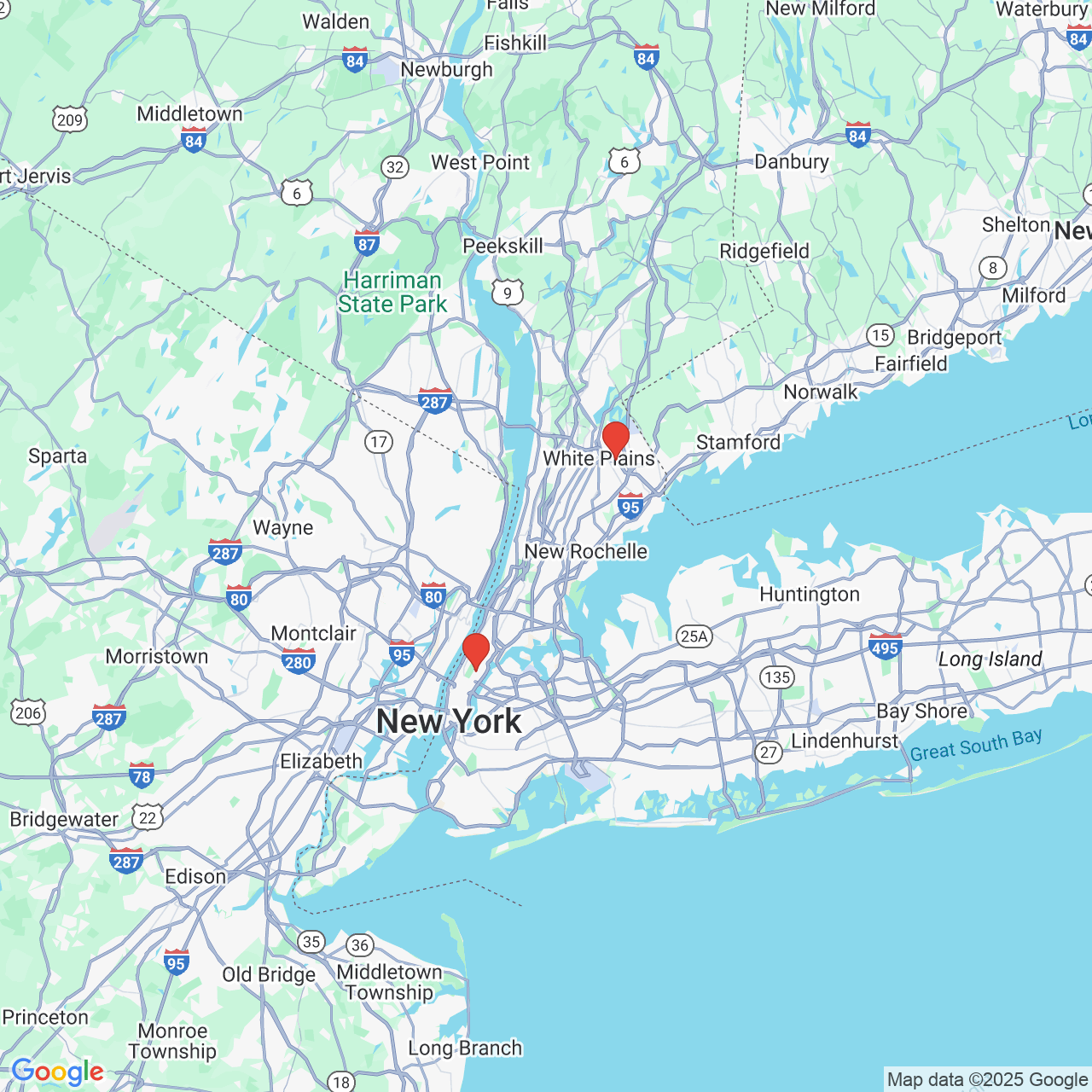
Locations
We have 2 locations the NY State area
Dr. Oren Lerman performs a variety of cosmetic and reconstructive procedures with a specialty in reconstructive breast surgery. In fact, he is the director of breast reconstruction at Lenox Hill Hospital's Institute for Comprehensive Breast Care as well as the Microvascular and Cosmetic Breast Fellowship. In addition to the hospital, Dr. Lerman is affiliated with:
You can schedule a consultation with Dr. Lerman by filling out our online form or calling (212) 434-6980.